How to Cook Steak Like a Steakhouse at Home
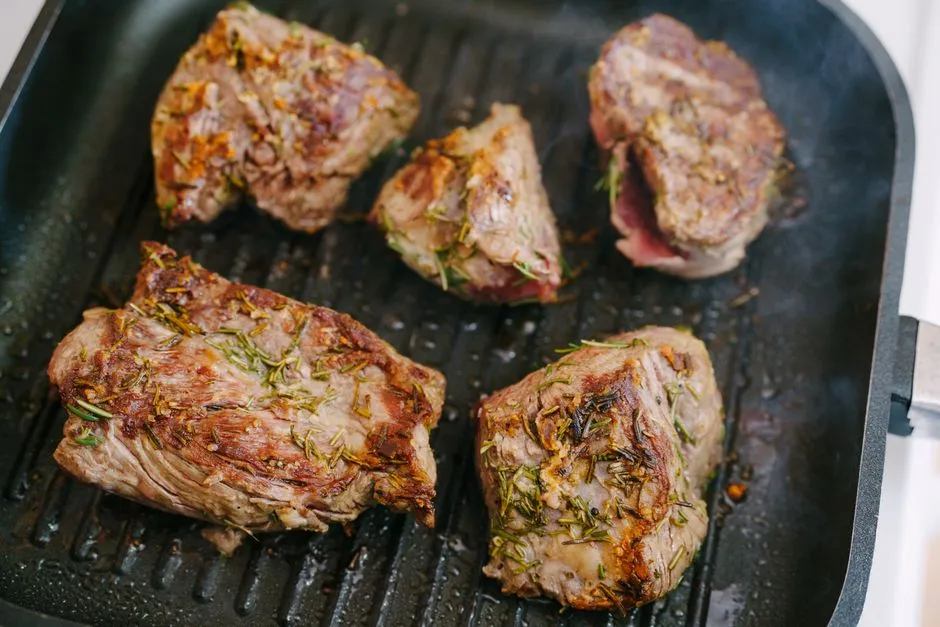
- How do you cook steak like a steakhouse at home?
- Choose the steaks by the recipe and the pan
- Keep the menu to a main, a sauce and a side
- Prepare everything that does not need the steak pan
- Use this order instead of a promised finish time
- Brown the surface, then verify the center
- Give the rest its own timer
- Make the sauce while the side waits in the refrigerator
- What if the plan starts to slip?
- Store the meal safely
- Frequently asked questions
- Sources
How do you cook steak like a steakhouse at home?
Choose steaks that fit your pan, dry and season them, sear the surfaces and finish cooking by thermometer. For beef steaks, reach at least 145°F (63°C) before removing them from the heat, then rest at least 3 minutes. Build the meal around one sauce and one manageable side, with ingredients prepared before searing. Keep raw-meat equipment separate from ready-to-eat food and refrigerate perishable leftovers promptly.
This guide plans dinner for two using the site's cast-iron steak and peppercorn sauce recipes. The new work is the sequence: deciding what to buy, preparing the side first and keeping the last stretch manageable.
Choose the steaks by the recipe and the pan
Start with the amount you want to spend on the whole dinner. Check the total package price as well as the price per unit of weight. Bone, trimming and package size affect what you bring home; the lowest displayed unit price is not automatically the smallest bill.
For this plan, use two intact beef steaks about 1 to 1½ inches thick, the thickness range in our cast-iron steak recipe. Ask the butcher for a cut suited to quick skillet cooking and compare the actual available options. Avoid assuming a steak sold for braising will behave like a tender steak simply because both can be put in a skillet.
Thickness and usable pan space matter more here than a dramatic shape. Two steaks should lie flat with space between them. If they overlap or fill the pan edge to edge, choose smaller pieces or plan separate batches.
The beef industry's skillet-to-oven guide describes stovetop searing followed by an oven finish as particularly useful for thicker cuts. It also advises against leaving beef out to reach room temperature. Keep the steaks refrigerated while you prepare the rest of dinner.
Check the package for special cooking instructions. This plan is for intact steaks; if the label identifies a tenderized or otherwise processed product, follow its cooking instructions rather than assuming the intact-steak method covers it.
Keep the menu to a main, a sauce and a side
A practical first menu is cast-iron steak, peppercorn pan sauce and a green salad. The salad can be prepared before the raw meat comes out, and it needs no burner during the sauce.
Here is a shopping check for the two linked recipes:
| Part of dinner | What to have ready |
|---|---|
| Steak | Two steaks of the stated thickness; fine salt; ground pepper; neutral cooking oil |
| Steak finish | Unsalted butter, garlic and optional thyme or rosemary |
| Peppercorn sauce | Cracked black peppercorns, shallot, low-sodium beef stock, heavy cream, Dijon mustard, Worcestershire sauce and cold unsalted butter |
| Simple side | Salad greens, cucumber and a dressing you already use |
| Working equipment | Oven-safe skillet, tongs, food thermometer, clean resting plate, dry oven mitts and a separate salad bowl |
Read ingredient labels before shopping for someone with an allergy or other dietary requirement. The sauce includes dairy, and Worcestershire formulations can include fish. Ask the diner what precautions they need; substitutions must be checked rather than guessed from a product name.
Use the recipes' measured quantities. Keep the steak's butter and the sauce's finishing butter separate so neither disappears into the other stage. The peppercorn recipe uses cracked pepper, not an equal quantity of finely ground pepper.
If sauce feels like one task too many, serve the steak without it on the first attempt. You can still prepare the same side and practice the sequence.
Prepare everything that does not need the steak pan
Read both recipes from beginning to end. Check the skillet's oven limit and the thermometer's instructions. Put the resting plate and dry mitts within easy reach, with a clear heat-safe space for the hot pan.
Prepare the salad before handling raw beef. Rinse fresh produce under running water, use clean equipment and refrigerate the prepared salad until service. Keep the dressing separate until you are ready to eat. These handling principles follow FoodSafety.gov's four steps to food safety.
Measure the stock, cream, mustard and Worcestershire sauce. Chop the shallot and crack the peppercorns. Keep perishable ingredients refrigerated until needed.
Now establish two separate destinations:
- The raw-steak plate and the utensils that handle it.
- A clean plate and clean utensils for the finished steaks.
Wash hands, utensils and surfaces after contact with raw meat. Never put cooked steak back on an unwashed raw-meat plate.
Set out plates, water and serving utensils before cooking.
Use this order instead of a promised finish time
Pan performance, steak thickness and starting temperature change cooking time. A sequence tied to observable events is more useful than a claim that everything will be ready at a particular minute.
| When this happens | Do this next |
|---|---|
| Salad and sauce ingredients are ready | Start the steak recipe's oven and skillet preparation |
| Steaks are dried and seasoned | Begin searing, leaving room between them |
| Surfaces are browned | Continue the recipe's oven finish and check each steak |
| Each steak reaches the safe endpoint | Move it to the clean plate and start its rest timer |
| Steaks are resting | Make the sauce from suitable brown fond |
| Sauce is finished and rest is complete | Dress the salad, plate the meal and serve |
If the steaks finish at different times, move each one to the clean plate when it is ready. Do not leave one cooking solely to match the other, and do not remove the second early to synchronize them.
Brown the surface, then verify the center
Pat the steak dry with paper towels and discard them. Use the salt, pepper and oil quantities in the steak recipe. A wet surface is not the starting point you want for browning; the beef skillet-to-oven method also begins by drying the steak.
Preheat the oven to the temperature in the recipe you are following. Our linked method uses 400°F (204°C). Do not substitute the oven setting from another recipe while retaining all of the first recipe's timing assumptions.
Turn on kitchen ventilation. Heat the pan as directed and reduce the heat if oil smokes heavily. Place the steak carefully to avoid splashing hot fat. Keep children and pets away from the cooking area.
Brown both broad sides, then follow the oven-finishing stage. Use the early time check in the recipe as a prompt to measure, not permission to serve.
FoodSafety.gov lists 145°F (63°C) and a 3-minute rest for beef steaks. This plan reaches that temperature before the steak leaves the heat. Check the center of the thickest part of each steak, avoiding bone and large fat pockets, using your thermometer as its manufacturer directs.
Do not substitute crust color, a finger test or the color of the juices for the reading. A dark exterior and an adequately cooked center are separate checks.
Give the rest its own timer
Transfer each finished steak to the clean plate and allow at least 3 minutes before carving or eating. The rest starts after cooking; it does not replace reaching the safe cooking temperature.
Keep the plate away from the raw-meat work area. Do not return a finished steak to the hot skillet while assembling the rest of the meal, because it will continue cooking there.
The sauce takes longer than the minimum rest in the linked recipe. That is why its ingredients need to be ready. Finish it promptly and serve; the rest is not an unlimited holding period.
If you need an extended delay, follow a proper hot-holding or chilling plan. FDA guidance calls for hot food to be maintained at an internal temperature of at least 140°F. A plate under foil is not a verified hot-holding appliance.
Make the sauce while the side waits in the refrigerator
Inspect the fond, the browned residue left in the pan. Use brown residue for the peppercorn pan sauce. If it is burned and acrid, use the recipe's clean-pan option. Do not add cream in the hope that it will remove burned flavor.
The skillet and handle remain hot after oven use. Handle them with dry oven mitts. When pouring off excess fat, use a suitable heat-safe container and keep hands clear. Add stock carefully because it can release steam.
Follow the sauce's order: soften the shallot, add cracked pepper, deglaze with stock, reduce, add cream and seasonings, then finish off the heat with cold butter. Keep reductions tied to the recipe's volume and consistency cues.
Taste before adding more salt. The steak seasoning, stock and prepared condiments all contribute. Spoon the sauce alongside or over the steak according to preference.
Dress the salad only when the main and sauce are ready. You have now used one active finishing pan rather than competing for the stove.
What if the plan starts to slip?
The outside is dark but the center is below the safe temperature: lower the intensity of surface cooking and continue the recipe's oven finish. Verify the center again. Do not solve it by serving the steak early.
The pan is crowded: cook in batches. For future dinners, choose portions that fit the available cooking surface or a menu with fewer separate steaks.
The sauce is unfinished: keep working through its stated reduction cues. Do not repeatedly reheat the steak in the pan while you adjust the sauce.
Guests are late: stop treating the meal as immediate service. Use measured hot holding, or promptly chill perishable food and reheat safely later. Reheating will change the steak's texture, which is a reason to plan the delay rather than improvise around it.
Store the meal safely
Refrigerate perishable leftovers within 2 hours, or within 1 hour when the ambient temperature is above 90°F. Use shallow containers; discard food that exceeds the applicable room-temperature limit. These limits come from the FDA's serving and cooling guidance.
The FoodSafety.gov storage chart gives cooked meat 3 to 4 days in a refrigerator at 40°F (4°C) or below. Freeze it if you will not use it in that window.
Reheat leftovers to 165°F (74°C), measured with a food thermometer. For leftover sauce, the FDA also advises bringing sauces to a boil when reheating. Keep the steak, sauce and salad in separate containers so you can reheat only the items intended to be hot.
Frequently asked questions
Do you need an expensive steak?
No particular price point is required by this plan. Choose a cut suited to skillet cooking, the thickness in your recipe and portions that fit the pan. Compare the actual package cost and ask the butcher about suitable alternatives. A costly cut still needs accurate cooking.
Can you cook steak by minutes per side?
Times are useful prompts for checking, not proof of doneness. Thickness, pan heat and starting temperature vary. Check each steak with a food thermometer: this guide reaches at least 145°F (63°C) before removal, followed by at least a 3-minute rest.
Does resting make an undercooked steak safe?
Do not use resting to replace the stated cooking endpoint. Reach at least 145°F (63°C) before taking the steak off the heat, then rest at least 3 minutes. Follow any special package instructions for tenderized or otherwise processed beef.
What side is easiest with pan sauce?
A salad prepared before raw-meat handling keeps another burner free. Refrigerate it until serving and dress it after the sauce is finished. A cooked side can work too, but choose a recipe whose cooking and safe holding fit your available equipment.
How do you reheat leftover steak?
Use a method that heats the center to 165°F (74°C), verified with a food thermometer. Refrigerate leftovers promptly and use cooked meat within 3 to 4 refrigerated days. Keep sauce separate; bring leftover sauce to a boil when reheating.