Peppercorn Pan Sauce for Steak
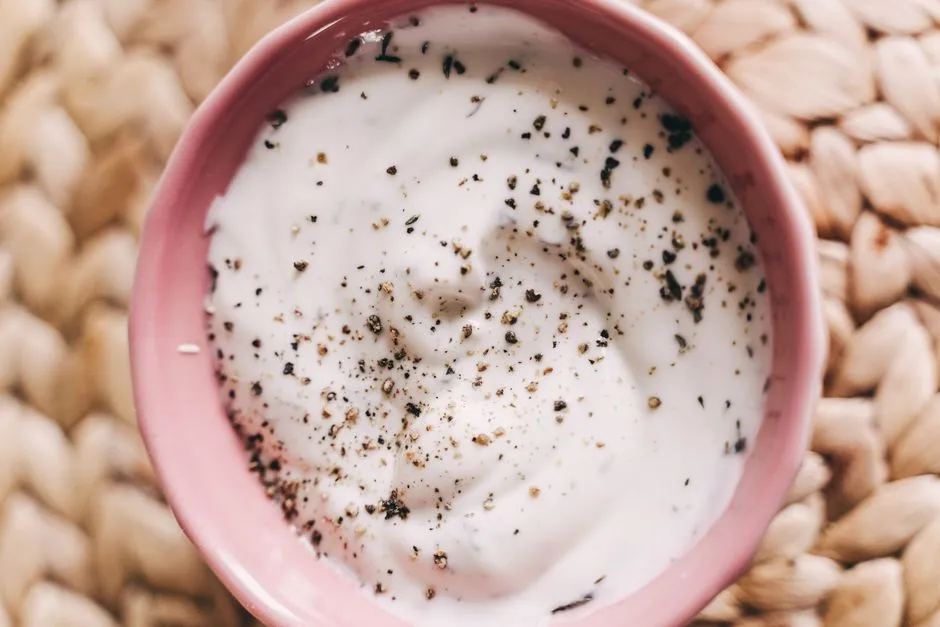
A peppercorn pan sauce built from the fond
This peppercorn pan sauce turns the browned bits left after searing two steaks into about ⅔ cup of creamy sauce, enough for two to four servings. It uses stock rather than brandy, so there is no flambé step and no need to explain a ceiling incident to anyone.
The sauce takes roughly 10 minutes. Have every ingredient measured before the steaks leave the pan: reduction waits for no shallot.
Ingredients
- 1 teaspoon coarsely cracked black peppercorns
- 1 small shallot, finely chopped, about ¼ cup
- ½ cup low-sodium beef stock
- ⅓ cup heavy cream
- 1 teaspoon Dijon mustard
- 1 teaspoon Worcestershire sauce
- 1 tablespoon cold unsalted butter
- Fine salt, only as needed
You also need a skillet with the browned fond from cast-iron steak and about 1 tablespoon of fat remaining. If you have less fat, add a teaspoon of neutral oil. If the fond is black and smells acrid, clean the pan and start with a fresh teaspoon of oil; burnt residue does not become sophisticated because cream arrives.
Check labels for allergens and dietary restrictions. Worcestershire sauce often contains fish, and Dijon formulas vary. Use suitable verified alternatives when cooking for someone with an allergy, and prevent cross-contact with clean equipment and surfaces.
Step 1: make the pan safe to handle
Transfer safely cooked steaks to a clean plate for their required rest. If the skillet came from the oven, keep a dry oven mitt on the handle. Pour hot excess fat into a heat-safe container, never down the drain, leaving about 1 tablespoon in the pan.
Return the skillet to medium heat. If smoke appears immediately, move it off the burner and let it cool briefly. The goal is to dissolve brown fond, not carbon-date it.
Step 2: soften shallot and bloom pepper
Add the chopped shallot and cook for about 2 minutes, stirring, until softened but not deeply browned. Add the cracked peppercorns and stir for 30 seconds, just until fragrant.
Coarsely cracked pepper gives both aroma and noticeable heat. For a gentler sauce, begin with ½ teaspoon and add more after tasting. Do not substitute a full teaspoon of finely ground pepper; its greater exposed surface distributes differently and can make the sauce harsh.
Step 3: deglaze and reduce the stock
Pour in the ½ cup stock. It may steam vigorously. Use a wooden spoon or heat-safe spatula to scrape up the brown fond from the pan base, keeping hands and face clear of the steam.
Bring to a steady simmer and cook for 3 to 5 minutes, stirring occasionally, until the stock is reduced to roughly ⅓ cup. Pan width and burner heat change the timing, so use volume and appearance rather than the minute hand alone. The liquid should look slightly concentrated, but it will not yet resemble a finished cream sauce.
Step 4: add cream and seasonings
Reduce heat to medium-low. Stir in the ⅓ cup cream, Dijon mustard, and Worcestershire sauce. Simmer gently for 2 to 4 minutes, stirring often, until the sauce lightly coats the back of a spoon. Do not boil hard; aggressive heat can reduce too far or cause the dairy to separate.
Drag a finger across the sauce on the spoon after allowing it to cool enough to touch. If the line remains clear, the sauce has useful body. If it runs together immediately, simmer another 30 seconds and check again.
Remove the pan from the heat. Whisk in the tablespoon of cold butter until glossy. Taste before adding salt because stock, mustard, Worcestershire, and steak seasoning already contribute it.
Adjust without losing the ratio
If the sauce becomes too thick, whisk in warm stock one tablespoon at a time. If it is thin, return it to a gentle simmer for 30-second intervals. A sauce that separates may recover with a spoonful of warm stock whisked in off heat, although overheated dairy does not always accept apologies.
For more ideas that use the pan efficiently, browse sauces and sides. Add fresh chopped parsley at the end if wanted, but do not introduce raw herbs from a board that held uncooked meat.
Serve and store safely
Spoon about 2 to 3 tablespoons over each steak and serve promptly. Two portions use roughly ⅓ cup total; four lighter portions use about ½ to ¾ of the batch, depending on the spoon. The stated ⅔-cup yield allows a small margin for serving and pan loss rather than promising the skillet will surrender every drop.
Refrigerate leftover sauce within two hours, or one hour above 90°F (32°C), in a shallow covered container. Reheat leftovers to 165°F (74°C), stirring so the center heats evenly. Gentle heat helps the texture, but food safety sets the endpoint. Discard sauce left out beyond the applicable time or showing spoilage.
The final sauce should be peppery, savory, and fluid enough to spoon rather than stand upright. It gives the fond a second job, which is the closest a skillet gets to internal promotion.